
Every small or large business is now investing in SEO to increase its ranking on search engines. A common question when investing is: How long does SEO take to show results? When a company is launching its website for the first time or trying to improve an existing one’s ranking, it needs to set a realistic goal.
In paid advertising, visibility begins shortly after a campaign starts. In contrast, SEO takes time to show results.
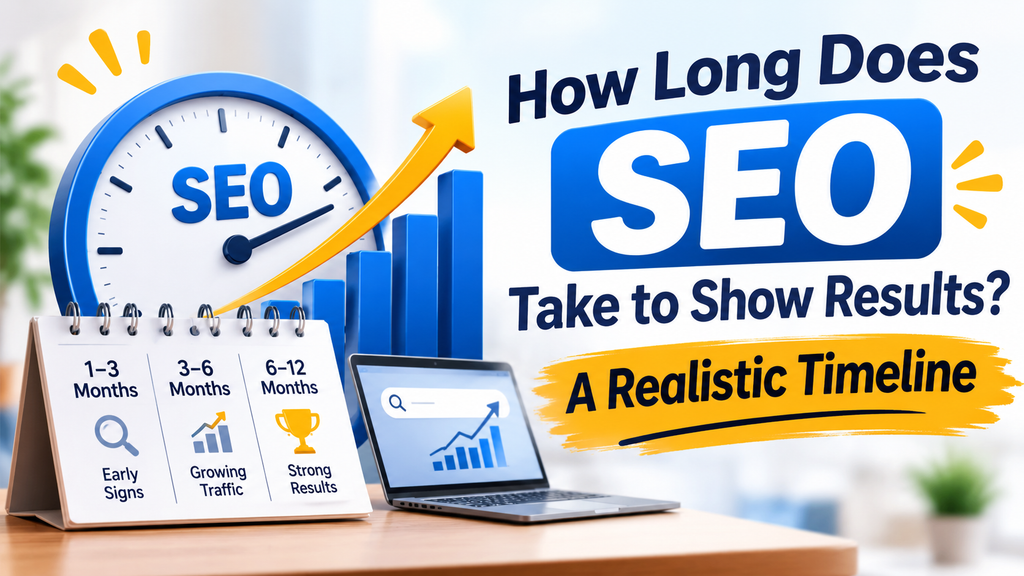
For most businesses, SEO usually takes three to six months to start showing progress. However, in competitive industries, it needs up to twelve months to achieve substantial results. There is no universal timeline for how long SEO takes to show results. You need to consider several factors, such as website history, technical health, effort to maintain consistency, and content quality.
How Long Does SEO Take? Understanding the General Timeline
The new website usually takes time to establish visibility. This is because of limited historical performance data, fewer backlinks, and potentially lower search visibility.
A new business should become discoverable with key pages indexed. It also needs to demonstrate relevance through the right content.
The new website should start by increasing impressions in the first few months. However, it should achieve competitive rankings with six to twelve months of hard work.
Publishing useful content consistently requires a clear website structure. More importantly, the page needs to appear in Google’s index without achieving a proper position for the target keyword.
What Factors Affect How Long It Takes to Rank on Google?
Several variables influence the time required for desired SEO results:
| Factor | How It Affects the Timeline |
| Website age and history | Existing businesses can get benefits from authority and present visibility |
| Keyword competition | Extremely competitive keywords usually need more time and effort |
| Content quality | Useful, relevant and effective contents need to understand the page’s purpose. |
| Technical SEO | Issues in indexing, crawling, and performance can slow down the progress |
| Backlink profile | Credible link supporting website authority |
| Industry competition | Existing competitors may observe ranking improvements more challenging |
| Consistency | Daily optimisation and content improvements supporting long-term growth. |
For example, businesses targeting high-volume, service-related queries may see progress faster.
What Happens During Each Stage of SEO?
Month 1: Website Audit and SEO Foundation
During the initial stages, SEO experts try to understand present performance. They usually identify different opportunities or weaknesses in a website.
It includes:
- A technical SEO audit.
- Identification of secondary keywords with relevant primary keywords
- Reviewing the present content of the website
- Identifying indexing and crawlability issues
- Analysis of search intent and competitors
- Developing the optimization roadmap
Months 2-3: Content Optimization and Early Visibility
The business should notice the early indicators of progress such as:
- Pages appearing in Google’s index
- Rise of search impression
- Restructuring primary keywords
- Enhanced visibility for less competitive search terms
Months 3-6: Ranking Improvements and Organic Traffic Growth
SEO strategy focused on targeting relevant visitors is required in this stage. Businesses need to invest in SEO services in USA to increase website traffic.
Commercial service providers need to increase rankings for industry-specific searches to attract fewer visitors.
Months 6-12: Designing Authority and Sustaining Growth
Long-term SEO needs consistent improvement.
At this time, the focus is usually transformed to:
- Identification of competitive keywords
- Understanding relevant content clusters.
- Strengthening internal linking
- Updating underperforming pages
- Enhancing conversions from organic traffic
How Should Businesses Measure SEO Progress?
Rankings are usually significant; however, you should measure them to assess SEO performance effectively.
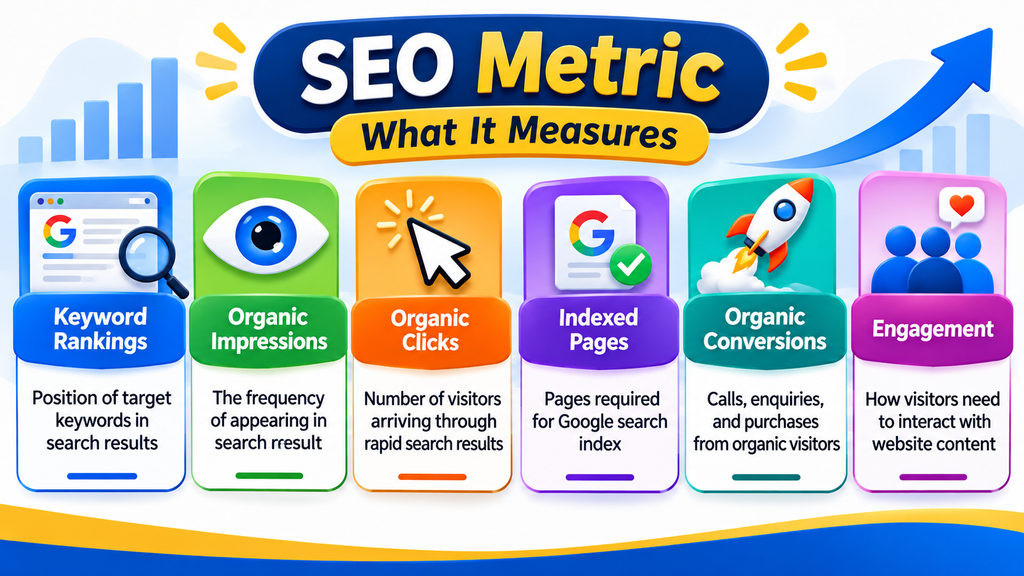
In the following table, we will disclose some performance indicators to help you make the right decision.
| SEO Metric | What It Measures |
| Keyword rankings | Position of target keywords in search results |
| Organic impressions | The frequency of appearing in search result |
| Organic clicks | Number of visitors arriving through rapid search results |
| Indexed pages | Pages required for Google search index |
| Organic conversions | Calls, enquiries, and purchases from organic visitors |
| Engagement | How visitors need to interact with website content |
According to experts, businesses should compare performance monthly and identify patterns in the SEO results timeline.
Frequently asked questions
1. How long does SEO take to show results for a business website?
Most businesses should give SEO three to six months before judging whether it’s working. Competitive industries, sites with technical problems, or sites with little authority often need six to twelve months, and sometimes longer.
2. Can a website rank on Google within 30 days?
Low-competition keywords with previous authority can sometimes result positively. However, getting a competitive keyword in a stable position for a month is rare.
3. Why is my website not ranking despite having SEO content?
There could be more than one reason. Check the competitiveness of the selected keyword. Also check if your pages are indexed properly. Low site authority and vague content can also contribute to negative ranking. Give time for proper auditing to narrow down the applicable solutions.
4. Does SEO require continuous investment?
Yes. Competitor activity and search behavior influence the search algorithm and its performance. You can maintain proper visibility with updated content. Check whether there is an existing problem with your content or website before making the investment.
5. Is SEO worth the wait for small businesses?
If you are running a small business, then the answer could be yes. SEO performs organically for businesses with potential consumers. It completely depends on resources, execution, and selected strategies.
Also Read: How to Optimize Your Website for Google AI Overviews and AI Mode in 2026